My Journey to LCSW

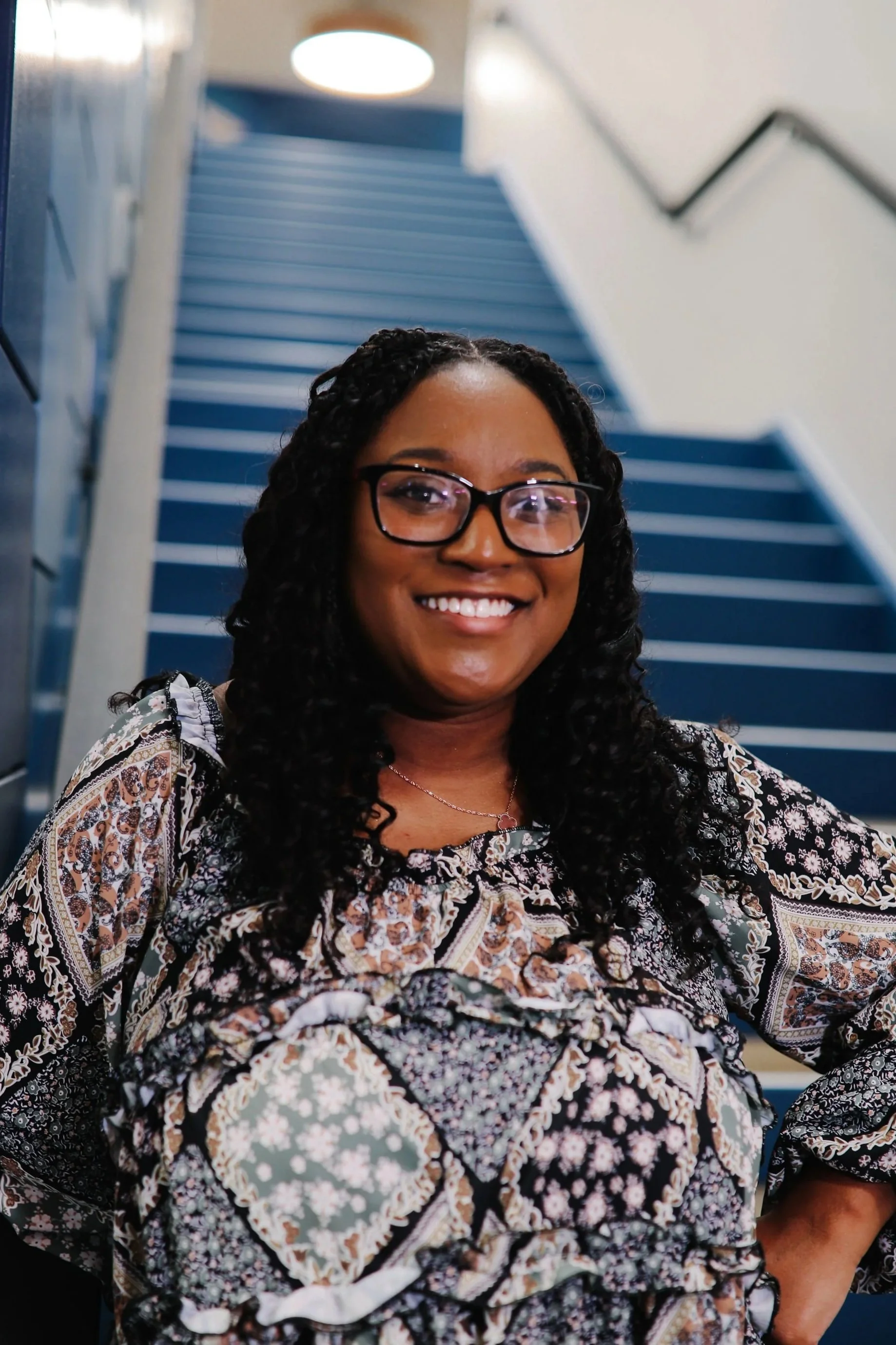
If you’re an aspiring social worker, LMSW, or other professional wondering what the road to LCSW actually feels like, I’ve been there. My journey wasn’t a straight line—it was seasons of rooting, reaching, pruning, and blooming. Here’s my timeline, lessons learned, and the support I offer now as an LCSW-S to help you grow with clarity and confidence.
Seedling: Choosing Social Work
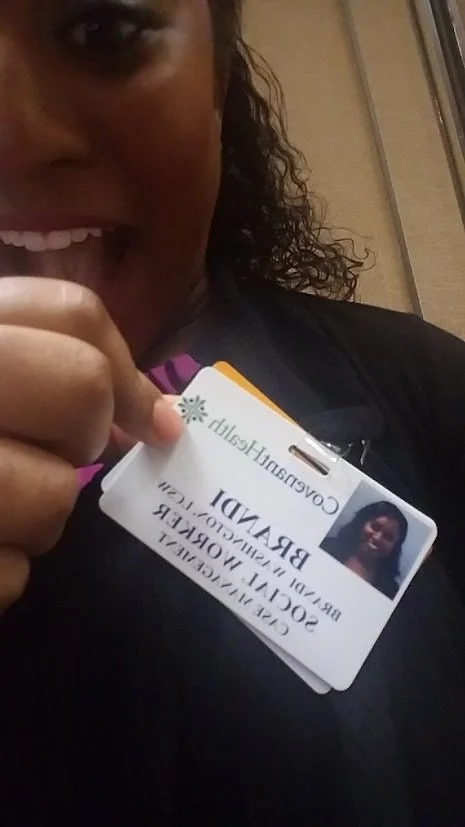

I fell in love with the heart of social work early—systems, people, dignity, and practical help. In my BSW program at Angelo State University, I learned to see the whole person in their whole environment and learned what being an advocate for social justice really meant. I was an active student, involved with several organizations and honor societies including serving as vice-president and president of the Student Social Work Association. I engaged in undergraduate research that allowed me to travel and present at local, regional, and national conferences on relevant topics such as Domestic Violence/Intimate Partner Violence. I also completed my practicum education at a local hospital learning about social work and case management in a medical setting and completing with initial assessments.
I’d chosen to graduate a year early, which has both pros and cons. The pros of saving a year of tuition were unmatched though. The cons are...well...at 21 years old you still have so much to learn about the world. By the time I started my internship in the hospital I was just 20 years old. While bright academically, I still strove to learn more about myself and my desires for my future.
Graduating early showed me that school can teach theory and skills, but real readiness is built through experience. Part of growth is the experience of “not knowing” but being willing to learn and remain open to feedback, criticism, and self-reflective practice. School may teach the book, but time and experience brings the emotional maturity and confidence in your clinical identity that shapes you as a social worker.
Budding: Early Hospital Practice (Case Management)
Following graduation, I obtained by LBSW and took up a role as one of 3 weekend hospital social workers in an over 900 bed hospital system. My first roles were fast-paced weekend shifts spent coordinating care across departments, handling crisis work, and learning the power of smooth transitions for patients and families. Those shifts sharpened my clinical judgment and collaboration with interdisciplinary teams.
Sprouting: Pursuing my Graduate Education at The University of Texas at Austin
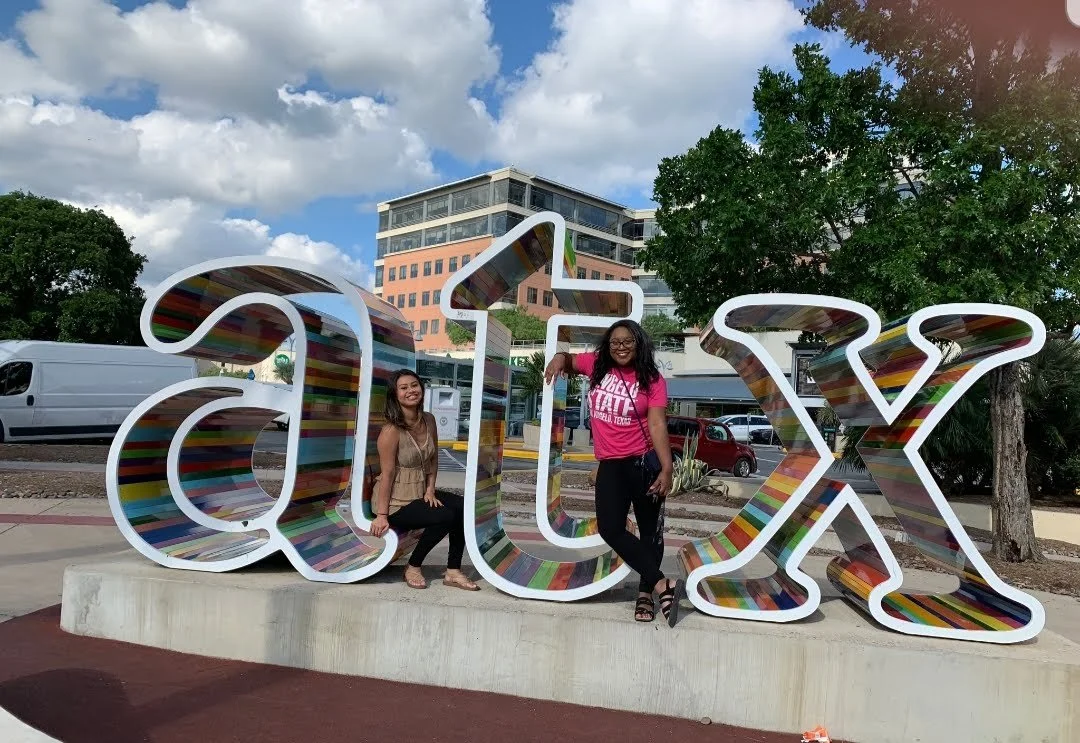
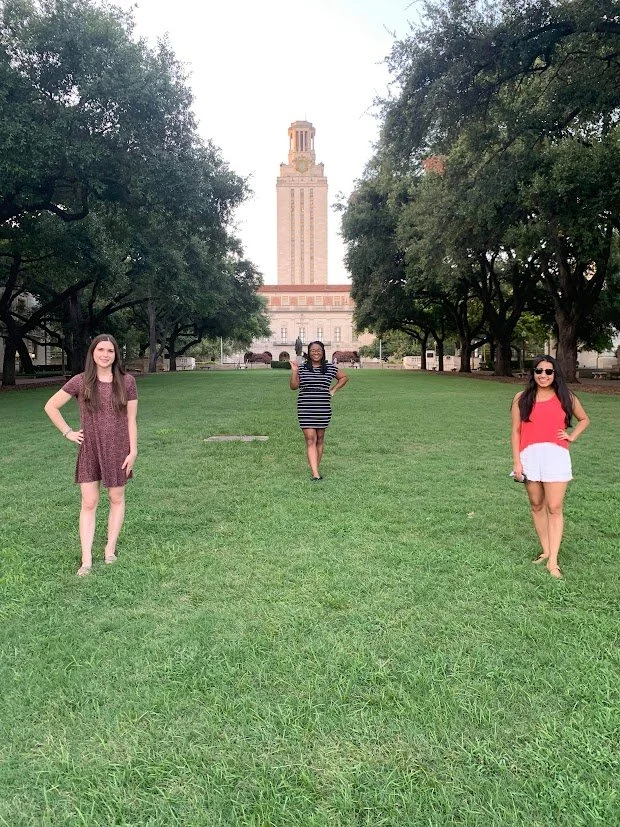
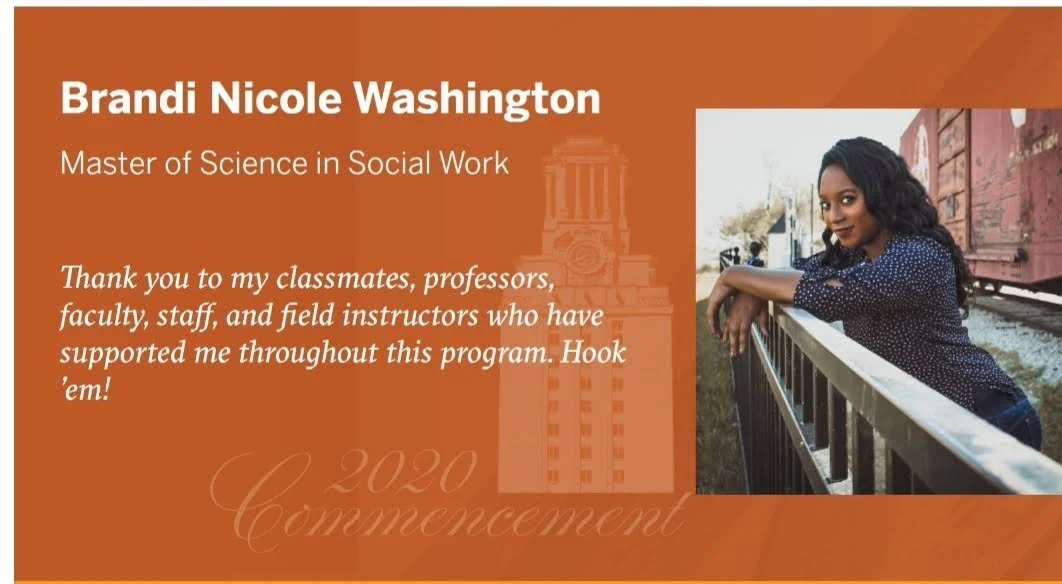
It was very important for me to attend a school in person. I learned better this way. I relocated to Austin, Texas to continue my education at The University of Texas at Austin. I worked as a graduate research assistant and had a lucrative internship at the Department of Veterans Affairs. My graduate education was unique in that it was heavily clinically focused. I was able to take courses such as Couples Counseling where I learned EFT and Gottman (and I learned that couple’s counseling is NOT my jam), Trauma, Groups, Solution Focused Brief Therapy, DSM Differential Diagnosis, and Attachment Theory. At the VA, I completed comprehensive biopsychosocial assessments, provided clinical case management, and co-facilitated groups in the PTSD clinic, an experience that grounded my trauma-informed work and respect for evidence-based practice.
Through The Steve Hicks School of Social Work at The University of Texas at Austin, I practiced interprofessional care on community-based teams and actively advocated for appropriate access to services. I also completed additional evidence-based trainings in Motivational Interviewing and Cognitive Behavioral Therapy, and took Transformative Teams in Healthcare through the Center for Health Interprofessional Practice and Education, a collaborative course across the Schools of Nursing, Social Work, Pharmacy, and Medicine. It was an unmatched interdisciplinary learning opportunity for all of those involved.
Additionally, I was chosen to be a part of the Integrated Behavioral Health Scholars Program, a program supported by the U.S. Health Resources & Services Administration (HRSA), to improve behavioral health outcomes. The Integrated Behavioral Health Scholars Program at Dell Medical School equipped us to deliver team-based, evidence-driven care by integrating mental health into primary and specialty settings. Through interprofessional training and real-world placements, my competency and proclivity for collaborative practice, population health, care coordination, and health equity was greatly enhanced.
In true ironic fashion, despite my deep desire for an in-person learning experience, my time on campus was short lived. As March 2020 came about, we were sent home for an extended Spring Break and did not return to campus. We quickly adjusted to a foreign reality for ourselves, our client’s, and our futures.
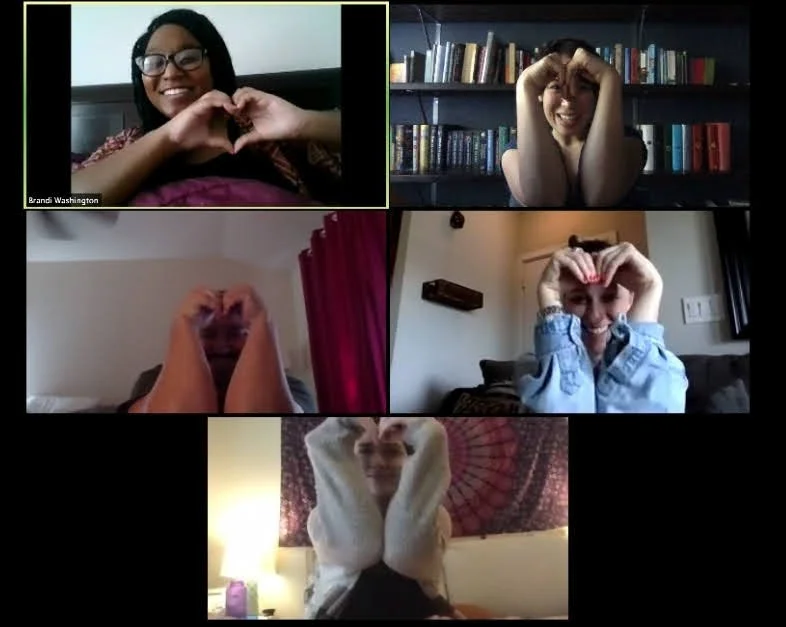
Graduate study at UT Austin gave me a strong clinical foundation in assessment and evidence-based treatment, plus a Graduate Certificate in Healthcare Social Work. Through the Integrated Behavioral Health Scholars Program at Dell Medical School, I trained across MI, CBT, CPT, SFBT, and interprofessional care, which still shapes my team-based approach today. From my time working with Vietnam and OEF/OIF/OND Veterans I got comfortable holding space for complexity, trauma and resilience, risk and safety, and pain and possibility.
Dormancy Between Seasons | Telehealth and “Unprecedented Times”
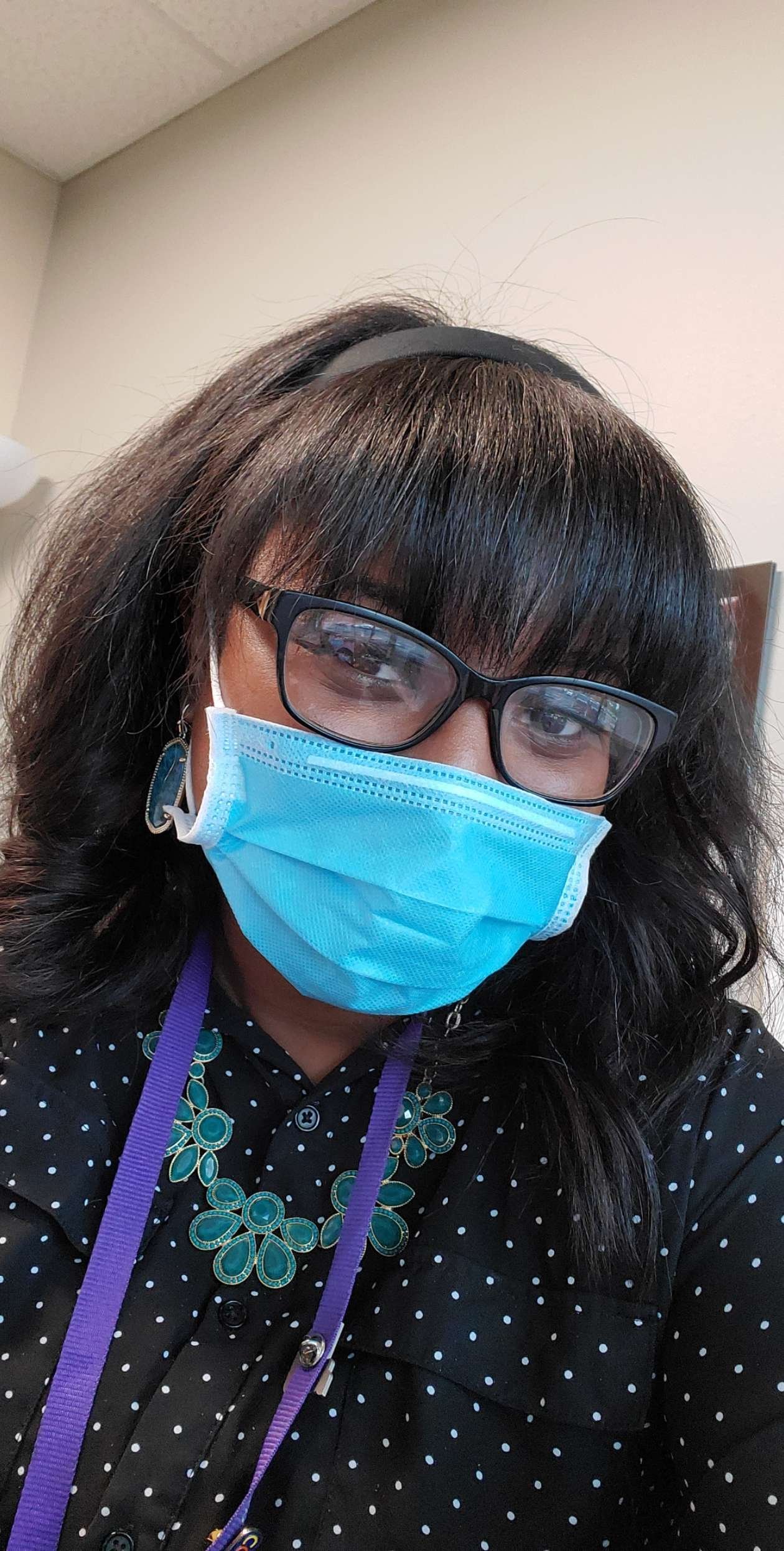
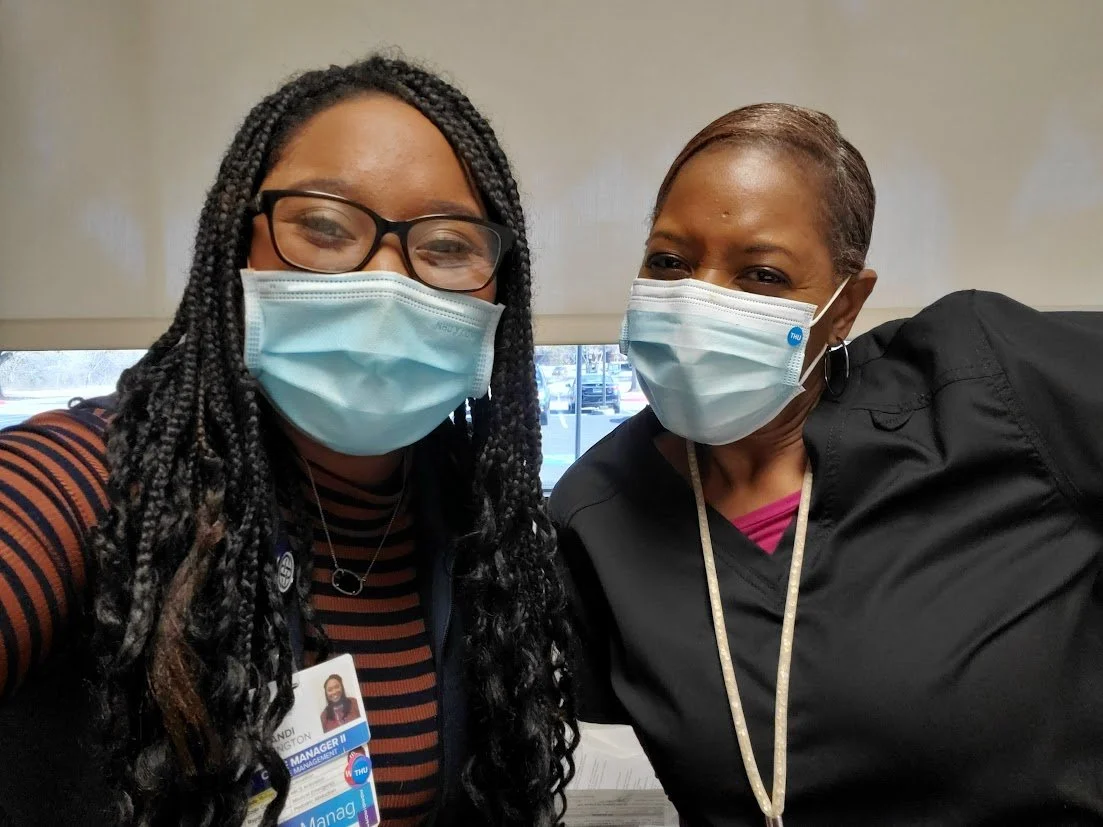
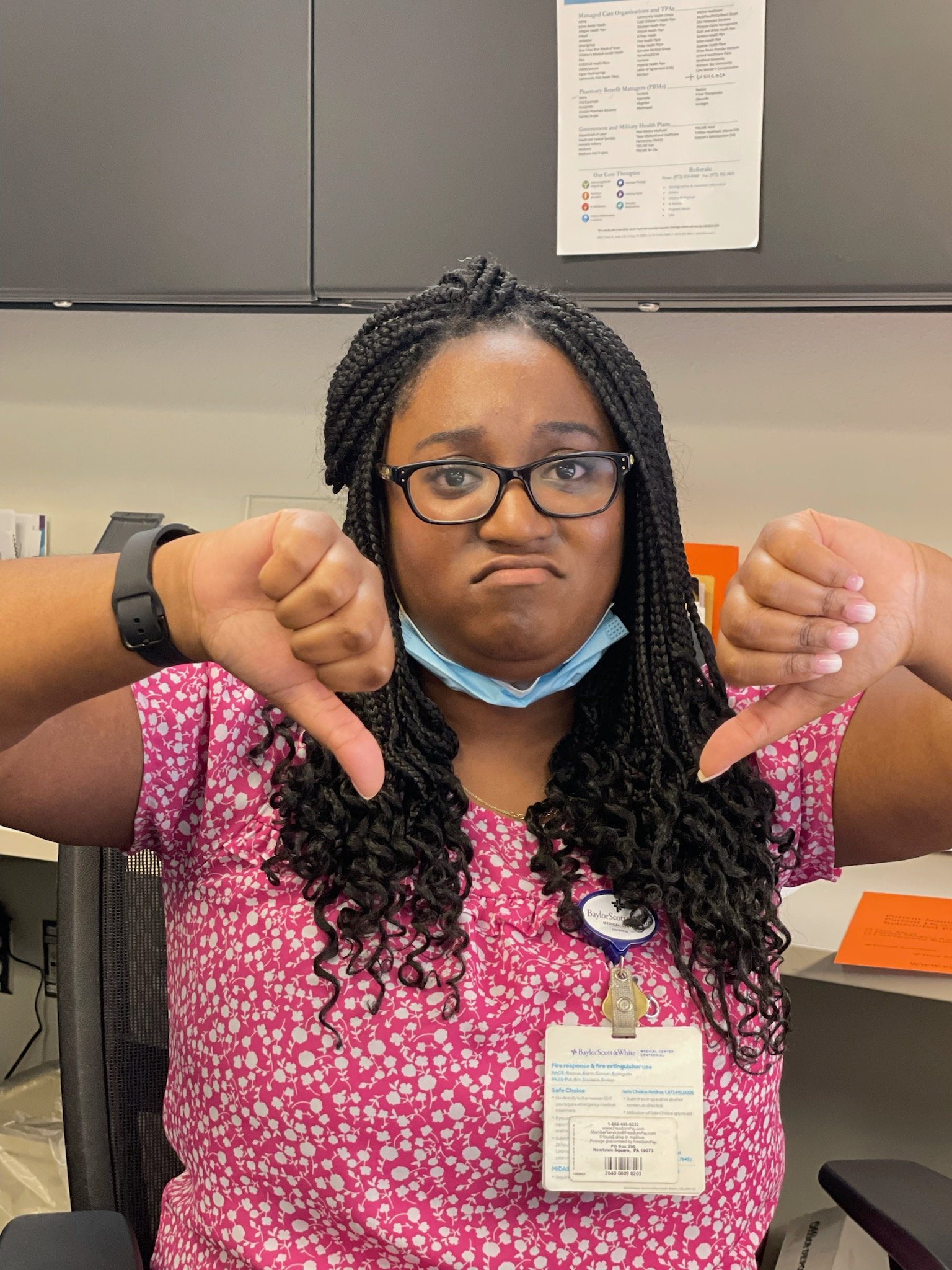
2020 brought unprecedented times for many, which led me to a short stint working with an insurance company. Despite passing them exam while still in school, license upgrades were taking longer than usual and I was unable to apply for jobs that required an LMSW. I supported clients remotely through coaching, counseling and providing care coordination, to help people reach the right services at the right time. Telehealth strengthened my clarity, boundaries, and outcome-tracking habits. At this time I also began my clinical supervision journey.
On a PRN basis, I also worked at a local rehabilitation hospital completing assessments and coordinating post-acute plans kept me laser-focused on continuity of care. These skills I now pass on to supervisees when we talk through discharge planning and follow-up.
Blooming Season | Return to Hospital and Medical Social Work
I was GEEKED when I saw a weekend position open at a local hospital. I had notably worked weekends at my previous hospital and appreciated the schedule (and pay differential).
Weekend social work in the hospital meant rapid risk assessments (C-SSRS, PHQ-9, GAD-7), ED crisis evaluations, and collaboration with nurses, physicians, PT/OT/SLP, and dietitians. As I returned to weekend social work, it meant being versatile and covering multiple units including Maternity, Emergency Department, Med/Surg, Outpatient Surgery, Ortho, and the Intensive Care Unit. I also served on committees that refined case-management policies to improve client care and reduce clinician burnout.
After obtaining my LCSW I left my hospital-based role and I transitioned to providing in-home and community rehabilitation for individuals with brain and spinal injuries, strokes, and complex medical needs—blending counseling, psychoeducation, and team-based care. It’s trauma-informed, goal-oriented work that demands ethical clarity, excellent documentation, and steady collaboration.
Growing a Garden: Supervision & Private Practice
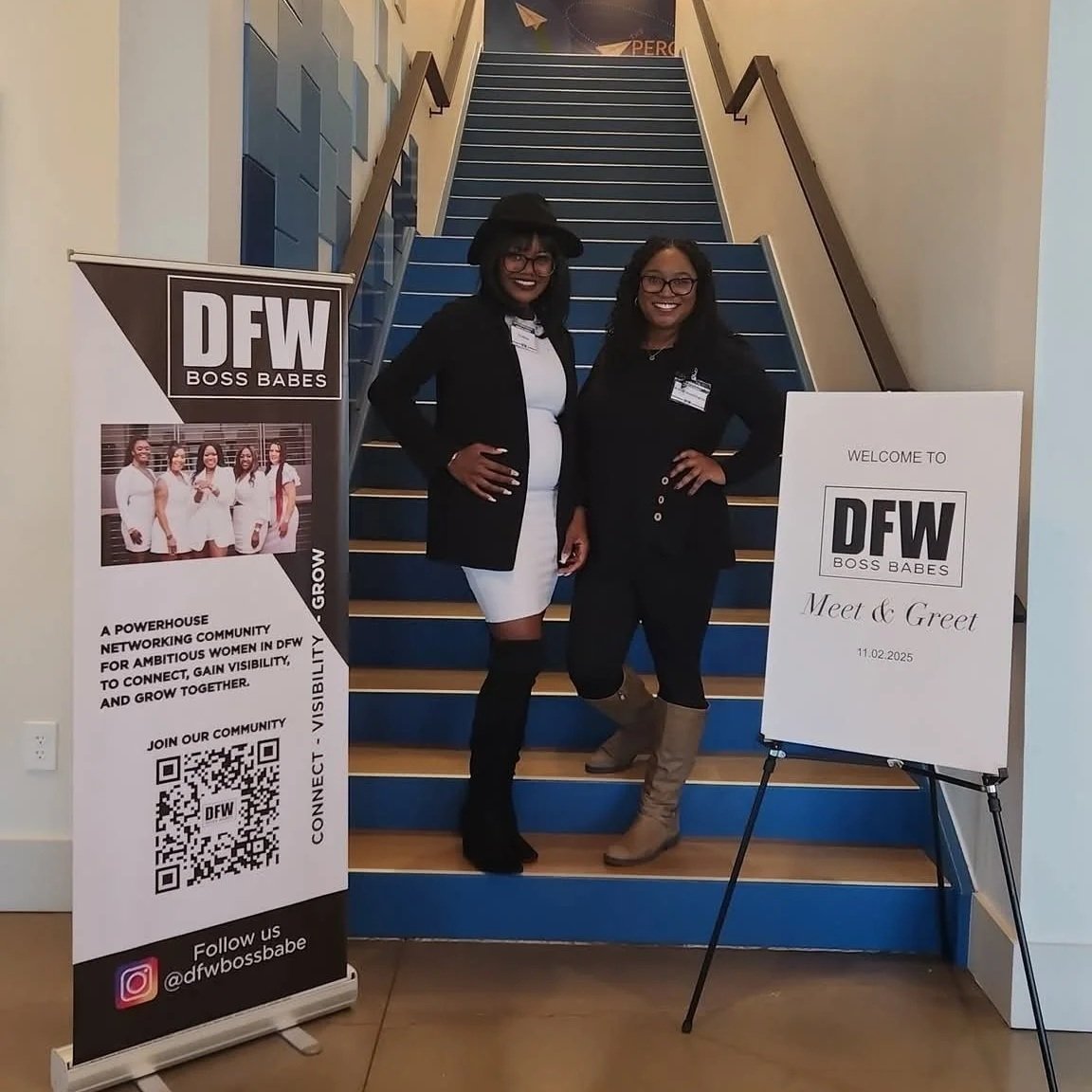
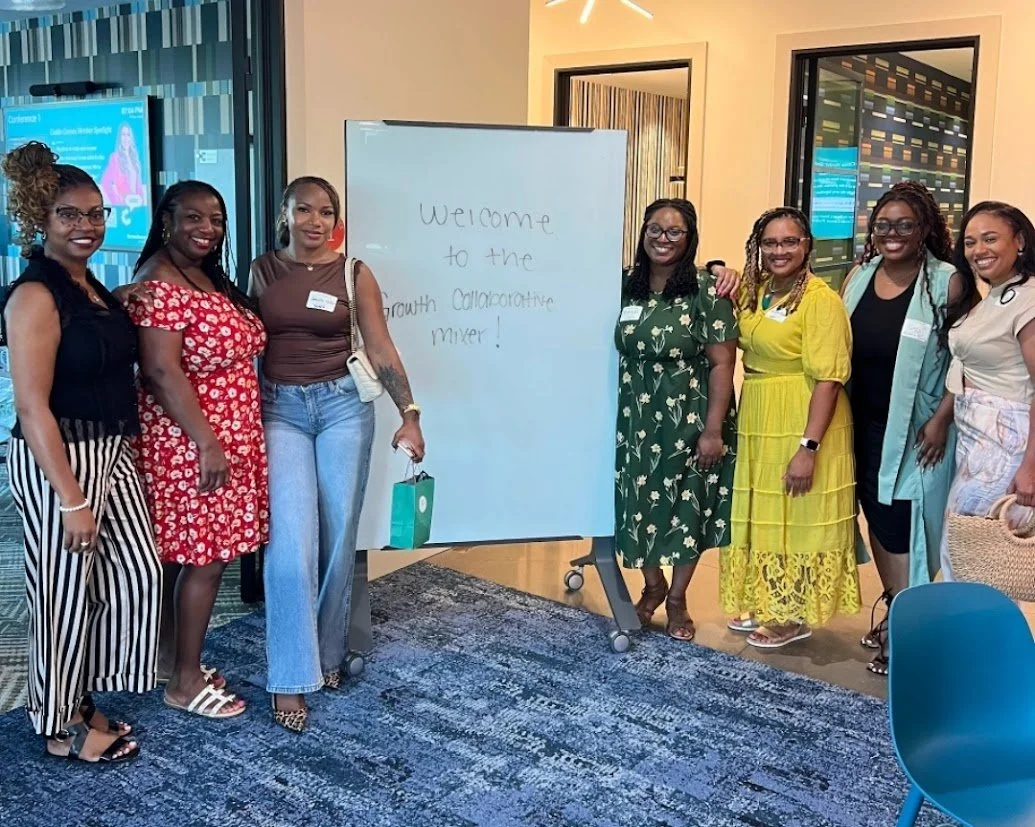
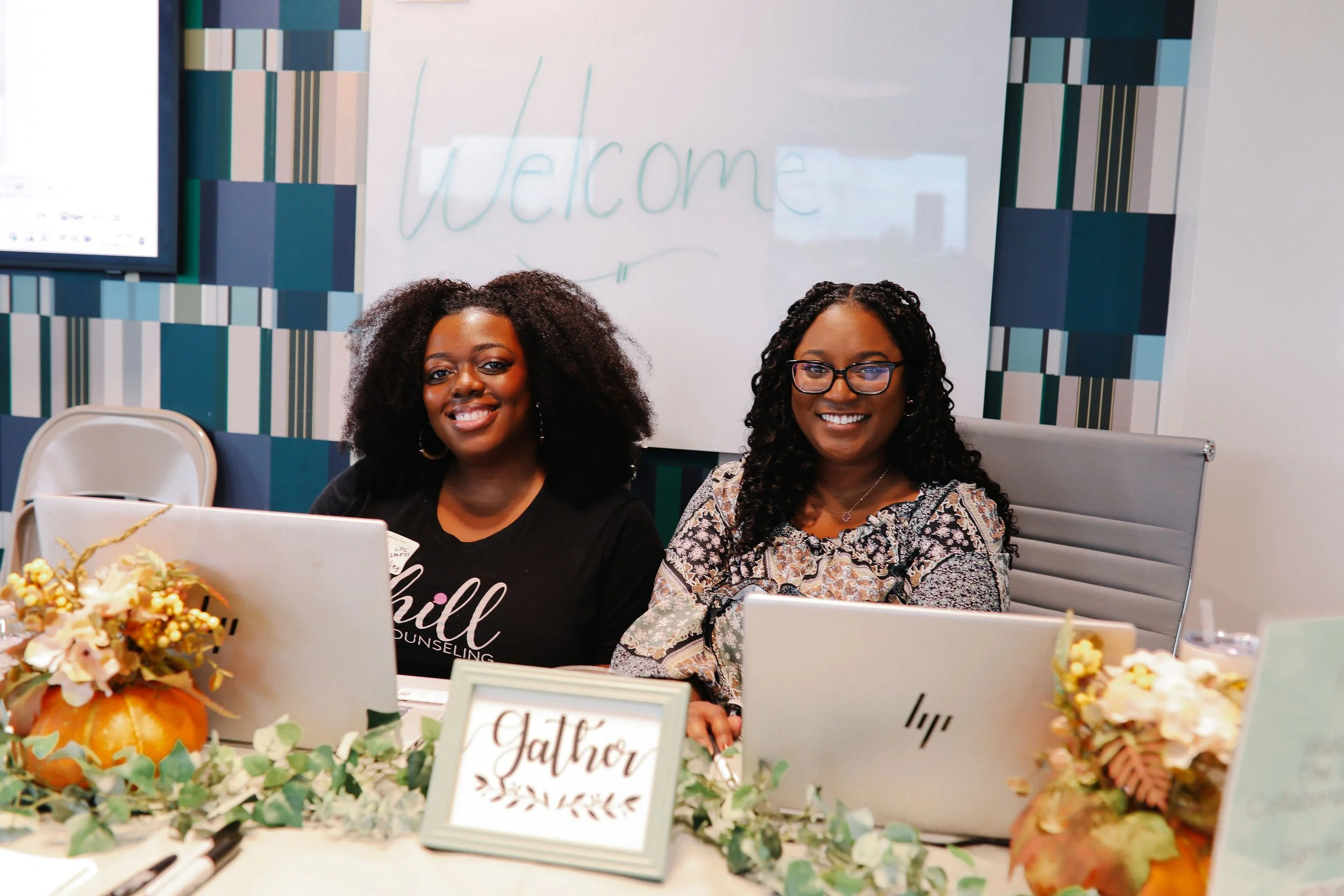
In 2023 I started my brand, Growth Matters, which emerged a blend of a counseling & education, clinical supervision, and creative, plant-themed self-care events for helping professionals. I also started building CEU offerings and consultation spaces for clinicians who crave practical, real-world support. Becoming an LCSW-Supervisor has felt like a calling fulfilled. I quickly embraced the opportunity to support LMSWs who wanted a clear, ethical, values-rooted path.
As a social work entrepreneur, I’ve learned to make space for what truly matters. That means right-sized caseloads, sustainable pricing, good systems, and brave conversations about scope, risk, and referral. I teach my supervisees how to structure a practice that honors both client care and clinician wellbeing.
Today, my work includes individual and group supervision for LMSWs, CEU workshops, creative wellness events, and mentorship for clinicians launching programs or therapeutic experiences. I’m passionate about helping clinicians do ethical, excellent work—and build careers that are both meaningful and sustainable.
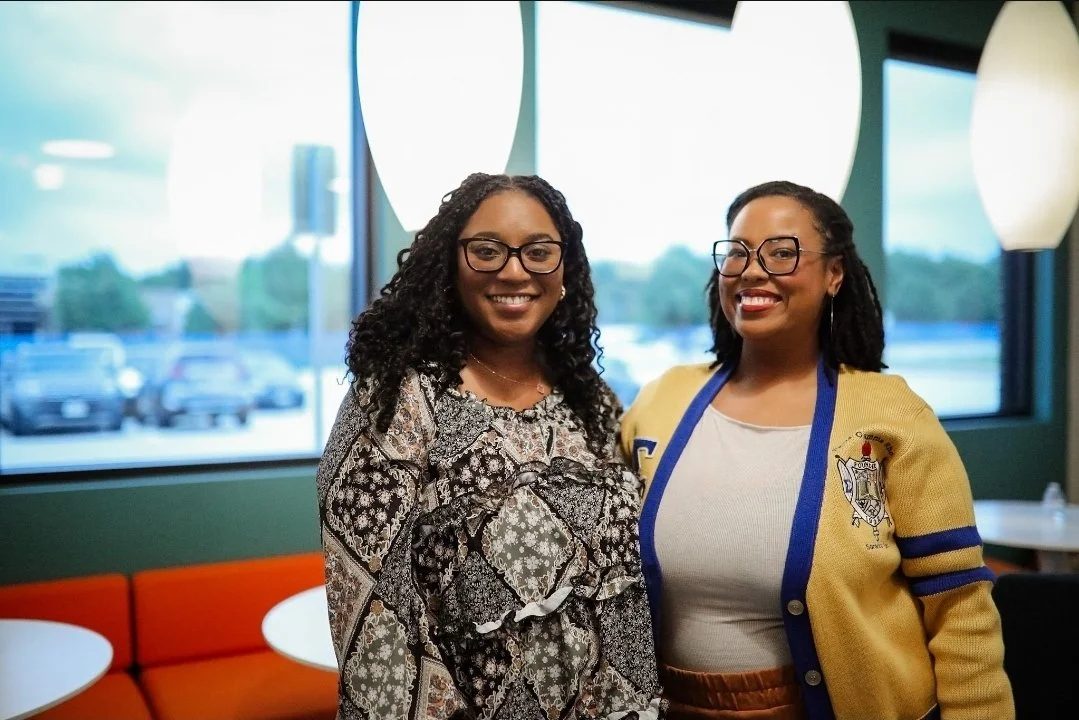
How We Grow From Here
Soooooo….what’s next?
After the degree and the first job title, the real question becomes: how do you grow from here?
Growth after grad school isn’t just more information—it’s structure, support, and practice. Clear goals and a simple plan build confidence and help new clinicians move from “I hope I’m doing this right” to “I know why I’m doing what I’m doing.” Documentation stops being a chore and becomes part of client protection and clinician safety. Risk work, safety planning, and referrals become less overwhelming when they’re practiced before a crisis, not during one.
Ethical, grounded supervision plays a big role in this next season. Supervision that is both kind and clear—rooted in ethics, scope, and supportive accountability—helps clinicians feel less alone in the gray areas. Sustainable habits, realistic caseload expectations, and a whole-person lens support not only client care, but the clinician’s long-term wellbeing. Growth is rarely linear, and good supervision makes room for that.
Ready to Grow?
If you’re an LMSW in Texas moving toward LCSW and you want supervision that’s clear, supportive, and practical, I’d love to talk. We’ll work together to set goals that fit your life, and help you feel grounded on the path to independent practice. If you’re an LMSW in Texas working toward LCSW and you want supervision that actually supports how you want to practice, let’s talk about how we grow from here.